How to Make Mole Tacos: A Weeknight Workflow
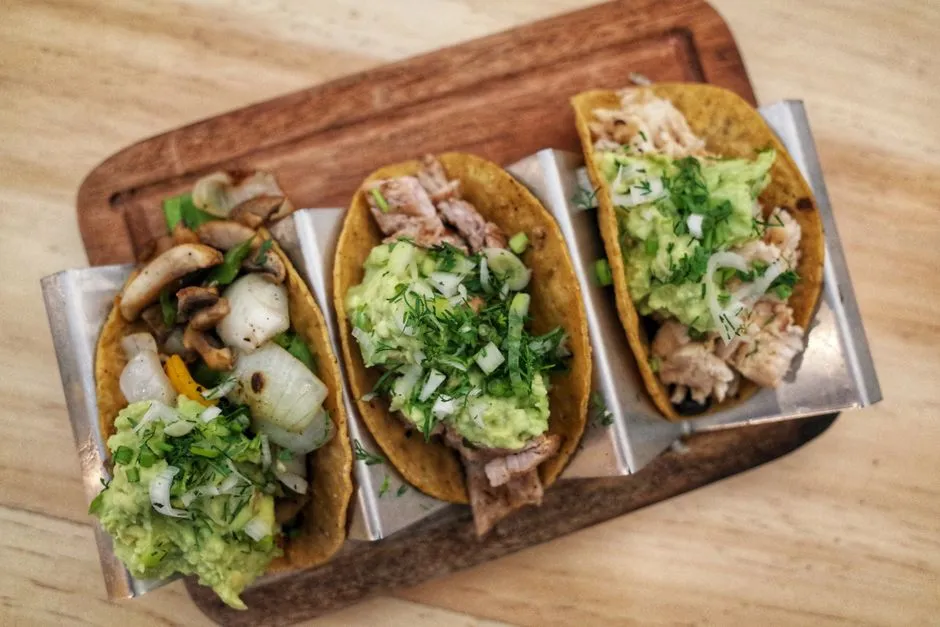
- How do you make mole tacos on a weeknight?
- Which sauce route fits the time you have?
- How much should you prepare?
- What can you do before the main cooking starts?
- Which filling should you choose?
- In what order should the pans reach the table?
- How do you keep the sauce right for a taco?
- When should you warm the tortillas?
- Which toppings finish the plate?
- What should happen to the leftovers?
- Sources
How do you make mole tacos on a weeknight?
Make mole tacos by preparing the sauce, cooking a suitable filling safely, coating it with sauce and warming tortillas just before assembly. Prepare toppings first and keep them separate from raw meat. For chicken or reheated leftovers, verify 165°F with a food thermometer. Check all ingredients for allergens, and refrigerate perishables within two hours, or one hour above 90°F. Start with prepared sauce when the evening cannot accommodate making it from scratch.
The useful shortcut is a completed component, not an unfinished safety step. Having sauce ready turns the remaining work into a filling, tortilla and topping sequence.
This is an editorial coordination guide built around our existing recipes and primary-source guidance. It is not a newly tested recipe or a promise that every mole preparation fits the same schedule. Our homemade option is a streamlined mole-style sauce.
Which sauce route fits the time you have?
Choose the sauce route before choosing a serving time.
| Starting point | What the evening still requires | Check before starting |
|---|---|---|
| Safely stored homemade sauce | Reheating, texture adjustment and filling preparation | Cooking date and storage history |
| Commercial prepared sauce | The product's stated preparation, then the filling | Whether it is ready to use or requires dilution |
| Mole paste or concentrate | Dilution and cooking according to its instructions | Required liquid, yield and simmering directions |
| Homemade sauce from the beginning | The complete sauce recipe before final assembly | Soaking, blending, simmering and equipment needs |
Do not measure one cup of concentrated paste as though it were one cup of finished sauce. Follow the exact product's directions; there is no universal paste-to-liquid ratio that belongs in every recipe.
For an illustration of why sauce work needs its own schedule, Rick Bayless's slow-cooker red mole recipe includes an extended cooking and finishing process before the taco assembly. That is a make-ahead project, not evidence that any sauce becomes quick because the final dish is a taco.
If using our easy mole-style sauce, read the entire method first. Its chile soaking and final simmer are separate tasks. Do not count only the last simmer when deciding when to begin.
When blending hot mixtures, follow the blender manufacturer's instructions for that exact model. Do not blend hot food in equipment that prohibits it or improvise venting arrangements.
How much should you prepare?
The quantities below summarize the planning anchors from our existing chicken mole tacos recipe, which makes eight tacos. Use that recipe for the complete ingredient list and cooking method.
| Component | Existing recipe quantity | Planning purpose |
|---|---|---|
| Boneless, skinless chicken thighs | 1 pound (454 grams), raw | Filling to cook before saucing |
| Prepared mole-style sauce | 1 cup | Finished sauce, not concentrate |
| Stock or water | 1/4 cup, with more only as needed | Initial loosening liquid |
| Small corn tortillas | 8 | Eight assembled tacos |
| Diced white onion | 1/3 cup | Prepared topping |
| Chopped cilantro | 1/3 cup | Prepared topping |
| Lime | 1, cut into 4 wedges | Table-side finish |
Eight tacos divided among four diners gives two each. That is the recipe's allocation, not a claim that two tacos satisfy every appetite. Add an appropriate side or plan additional food according to the group.
If doubling, the arithmetic becomes 16 tortillas, 2 pounds of raw chicken and 2 cups of prepared sauce. Cooking time does not simply double. Pan capacity and the complete recipe method still matter; use batches rather than assuming twice the filling fits the same cooking arrangement.
Keep raw and cooked quantities distinct. One pound of raw chicken is not a promise of one pound of cooked filling.
What can you do before the main cooking starts?
Read every ingredient label before the kitchen gets busy. Our sauce includes sesame, while other recipes and packaged products can have different ingredients. Check the sauce, stock, tortillas, chocolate and toppings individually. The FDA's allergy guidance stresses reading labels and avoiding the foods to which a person is allergic.
For a guest with an allergy, agree on a suitable preparation with them beforehand. Removing a garnish does not remove an ingredient already blended into the sauce. Use appropriate separate preparation and serving arrangements to prevent cross-contact; if suitability cannot be established, choose another dish.
Next, prepare the ready-to-eat toppings, count the tortillas and set out clean serving utensils. Wash produce under running water. Keep toppings covered and refrigerated until needed.
Only then begin raw-meat preparation on a separate board. Keep raw meat and juices away from cooked food and toppings; wash hands and clean contaminated utensils and surfaces. This sequence applies the CDC's food-poisoning prevention guidance.
It also removes an ordinary bottleneck: you will not need to stop cooking a filling to dice an onion on the board you just used for chicken.
Which filling should you choose?
Pick one main filling for a straightforward evening. Several simultaneous options require more pans, utensils and attention.
Fresh chicken works with the existing recipe's full method. Cook poultry to 165°F and verify it with a food thermometer. Previously cooked chicken is a different starting point: its storage history must be sound, and reheated leftovers also need to reach 165°F. These targets come from the FoodSafety.gov temperature chart.
For a meatless route, choose a complete bean, mushroom or roasted-vegetable preparation that suits the sauce, and follow that recipe or packaged product's instructions. Do not treat raw vegetables, dried beans and ready-to-use canned beans as interchangeable ingredients with identical cooking times.
Check the entire dish before describing it as vegetarian or vegan. The stock, cooking fat, sauce and optional dairy garnish all count. This is an ingredient check, not merely a decision to remove chicken.
For two fillings, reserve a separate portion of sauce before it contacts meat, and use distinct utensils and pans as appropriate. Write down which component belongs to which preparation. A shared sauce pot should not silently change the intended dish.
In what order should the pans reach the table?
Here is an illustrative workflow for a cook making the existing eight-taco chicken recipe with prepared sauce, one main skillet and a microwave for tortillas. It is a sequence, not a tested minute-by-minute schedule.
- Confirm ingredients, sauce history, equipment and the complete recipe.
- Prepare toppings, refrigerate them, and count out tortillas.
- Prepare and cook the chicken, using clean separation from toppings.
- Verify the chicken's required internal temperature.
- Add the measured prepared sauce and liquid according to the recipe; bring the filling to its finished state.
- Warm the tortillas according to their package or manufacturer's directions.
- Put out the toppings and assemble promptly.
The important checkpoint is between cooking and saucing: darker sauce must not conceal an assumption about whether the chicken cooked safely. If checking reheated filling, measure the food rather than treating visible steam as proof.
If you have only a skillet and no suitable second tortilla-heating method, do not pretend the tasks can happen simultaneously. Choose another supported equipment arrangement, make a smaller meal or allow for a safe holding method specified by reliable guidance. Do not leave the filling at room temperature while a large tortilla batch is warmed.
How do you keep the sauce right for a taco?
Judge texture when the sauce is heated and mixed with its intended filling, not solely when it comes from the refrigerator.
Our editorial target is a coating that travels with the filling when spooned into a tortilla. A pool of loose liquid at the bottom of the pan suggests a different assembly problem from a sauce that barely spreads.
With the existing homemade recipe, use its stated small additions of stock or water when thinning is needed. Add gradually and stir before deciding on more. For a commercial paste, complete the manufacturer's preparation first; texture adjustment is not a replacement for required dilution or cooking.
Do not increase heat sharply merely to hurry a thick sauce. Follow the recipe, stir as directed and attend to the pan. Use care around hot sauce and splatter.
Taste a safely cooked sample after allowing it to cool enough to taste. Consider the sauce and filling together before adding more salt or sweetness. A seasoned stock or prepared sauce may already supply those elements.
When should you warm the tortillas?
Warm them near assembly time, after the filling is ready to serve safely. Use the instructions for the tortillas in your kitchen.
As one manufacturer-specific example, Mission's FAQ describes microwaving four to six tortillas between damp paper towels for 30–45 seconds or until heated through, then keeping them in a cloth or tortilla warmer until serving. That guidance is for its products, not a universal timer for every tortilla.
For the eight-tortilla example, two groups of four fit that stated batch range. Do not stack all eight and assume the same instruction applies unchanged. Follow appliance instructions and use care when handling hot food or steam.
Warm only what you intend to serve promptly. Leave unused tortillas in their appropriate storage rather than preparing a large stack by default.
Which toppings finish the plate?
Choose a few distinct functions instead of a crowded topping list. Our editorial starting point is onion for crunch, cilantro for freshness and lime served separately so each diner can adjust the acidity.
Taste the assembled taco before adding several more ingredients. If the filling is already rich and strongly seasoned, a second heavy sauce may obscure it rather than improve it. That is a preference call, not a rule about all mole traditions.
Keep optional heat separate when preferences differ. This helps diners choose their own amount; it is not a method for making an allergenic food safe.
Use separate serving utensils and avoid returning a utensil that touched raw food to the table. Keep perishable toppings refrigerated until serving.
What should happen to the leftovers?
Store filling, sauce and toppings separately where practical, with their dates identifiable. Keep the refrigerator at 40°F or below. Refrigerate perishables within two hours, or one hour when the temperature is above 90°F; discard food left out beyond those limits. The FDA's storage guidance also warns that normal appearance and smell do not prove safety.
Divide hot leftovers into clean, shallow containers for prompt refrigeration rather than waiting for a large pan to reach room temperature. CDC cooling guidance
For cooked meat or poultry leftovers, FoodSafety.gov gives a refrigerator limit of 3–4 days. Reheat leftovers to 165°F before serving and warm fresh tortillas separately.
Make the next dinner simpler by recording what you actually used: the filling amount, sauce amount and tortilla count. Keep safety temperatures and storage limits unchanged when adjusting a future portion. More complete meal ideas are collected in Taco Night.
Sources
- Rick Bayless: Slow Cooker Red Mole for Chicken Tacos — example of substantial sauce preparation before assembly.
- Mission Foods FAQ — product-specific tortilla warming guidance.
- FDA: Food allergies.
- CDC: Preventing food poisoning.
- FoodSafety.gov: Safe minimum internal temperatures.
- FDA: Food storage.
- FoodSafety.gov: Cold food storage chart.